1 September 2024 · 2 min read · Film, Craft
Mastering cinematic storytelling: techniques every aspiring filmmaker should know
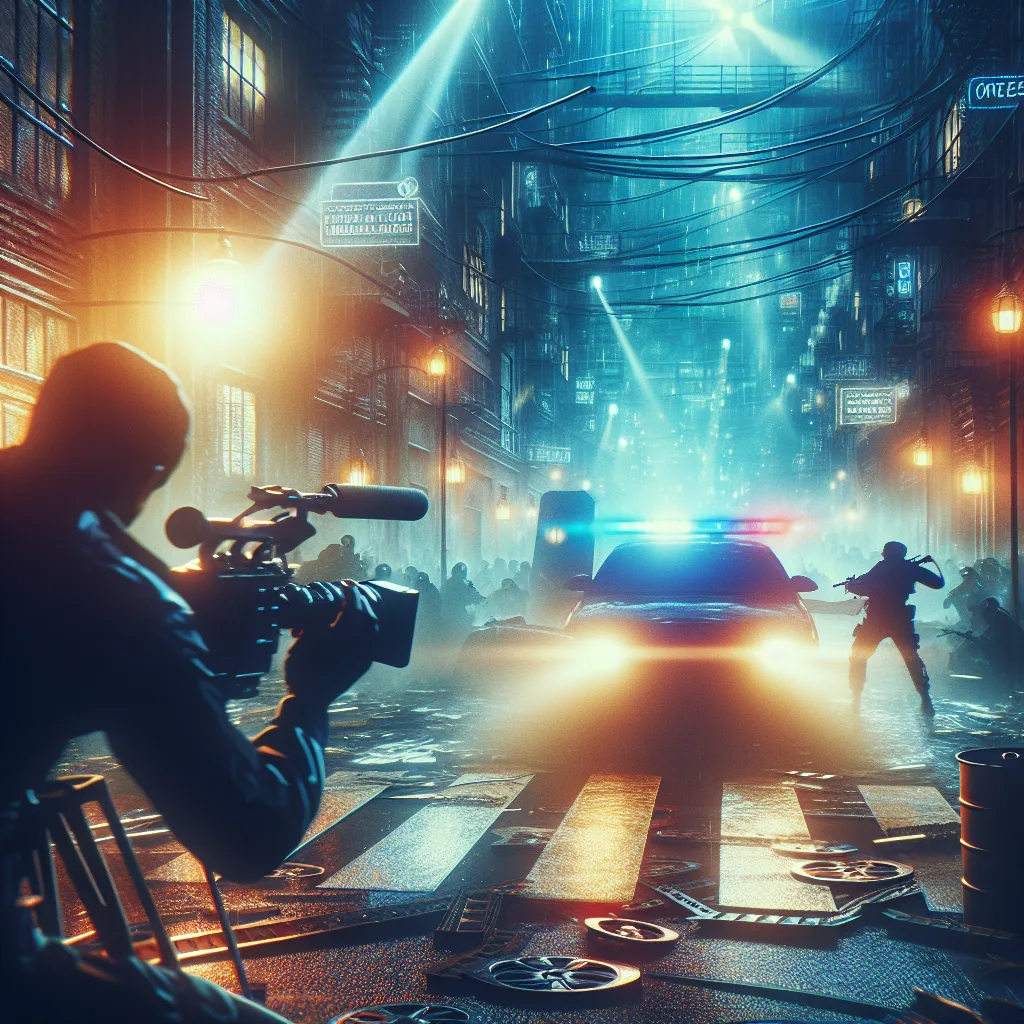
Lights, camera, action! Filmmaking is an intricate dance between visual storytelling and technical finesse. Every scene and every frame is crafted to evoke emotion and immerse audiences in a narrative. If you’ve ever been enthralled by a film and wondered, “How did they do that?”, you’re in the right place. Today we look at the storytelling techniques that form the backbone of unforgettable films.
The power of visual storytelling
At the heart of cinematic storytelling lies visual language. Every shot is a brushstroke on the canvas of the screen, conveying meaning beyond words. Framing, lighting and camera movement all shape how the viewer reads a scene and how deeply they feel it.
Framing the story
The frame is the storyteller’s canvas, and how it’s composed can make or break a scene. Consider the rule of thirds, where the frame is divided into a grid of nine equal sections. Placing key elements along those lines, or at their intersections, creates a balanced and appealing composition. Experiment with different framing to add depth and dynamism to your shots.
Lighting: setting the mood
Lighting isn’t just about illuminating a scene; it sculpts atmosphere and conveys emotion. Whether it’s the hard shadows of film noir or the soft glow of a romantic comedy, light sets the tone. Play with light and shadow to create drama, mystery or intimacy.
Camera movement: breathing life into sequences
Movement is the heartbeat of cinema. The way the camera glides, pans, tilts or shakes can create tension, excitement or calm. Every move should serve a purpose, guiding the audience’s eye and pushing the story forward.
Sound design: the unseen character
While visuals capture the eye, sound captures the soul. Dialogue, music and ambient sound all shape the audience’s emotional response and hold the story together.
Editing: crafting the rhythm
Editing is where the magic happens: weaving separate shots into a seamless story. Pace, rhythm and continuity decide how scenes flow and how emotions land. Master the edit and you can build tension, suspense or nostalgia at will.
Lights, camera, create
Cinematic storytelling is a blend of technical skill and creative vision. Experiment, hone your craft and let your imagination run. The world is your screen, and your story is waiting to be told.