7 June 2023 · 2 min read · Photography, Landscape
Capturing the essence: the art of the perfect landscape photograph
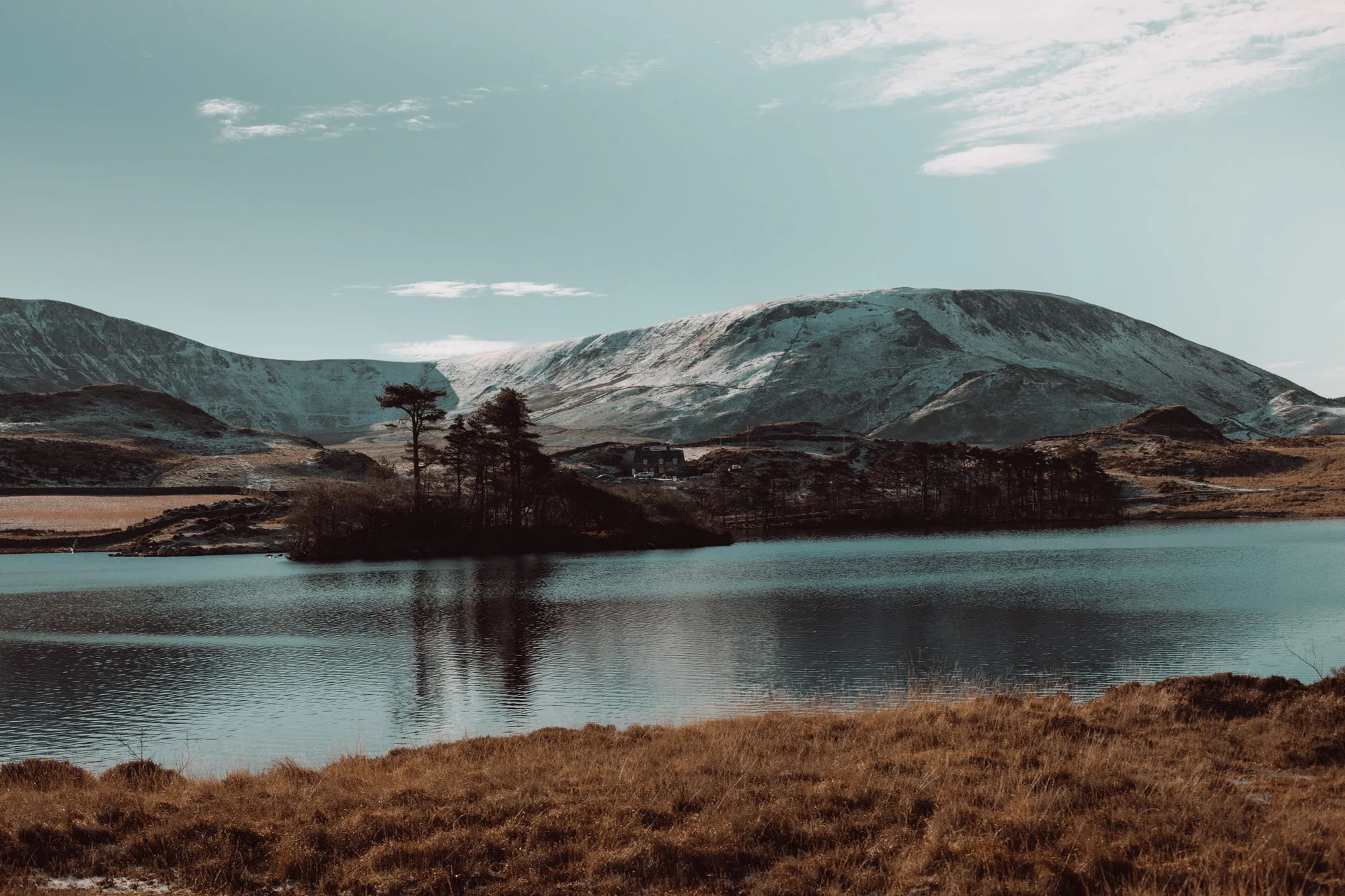
Landscape photography can transport us to breathtaking places. Capturing a great landscape takes more than pointing and clicking: it needs artistic vision, technical skill and a real connection with your surroundings. Here’s what goes into it.
Plan and research
Before you set off, research your location. Study maps, guidebooks and online resources to understand the landscape, the weather and the best viewpoints. Knowing how the light falls and how the seasons change will tell you when to shoot.
Look for unique perspectives
Don’t settle for the easy viewpoint. Explore different angles, whether that means climbing higher, wading into a river or getting low to the ground. Going off the beaten path is how you find compositions that feel fresh.
Use the golden hours
The hours just after sunrise and before sunset give soft, warm light and long shadows that add depth and colour. Plan around them, be patient, and be ready to adjust your settings as the light changes quickly.
Master composition
Composition is the backbone of a strong photograph. Use the rule of thirds to balance the frame, leading lines to draw the eye in, and foreground elements to frame your subject.
Mind the foreground and background
A good landscape has depth. Rocks, flowers or a winding path in the foreground give scale and pull the viewer in, while the background should support the subject without competing with it.
Work with the elements
Fog, storms and the light after rain all add mood. Try long exposures to show the movement of clouds or water. Embracing the weather gives your pictures atmosphere and emotion.
Invest in good equipment
A sturdy tripod keeps images sharp in low light and long exposures. A wide-angle lens captures big vistas, while a telephoto isolates details and compresses distance. Always carry spare batteries, memory cards and something to clean your lens.
Edit with care
Post-processing is the final step. Enhance colour, contrast and sharpness, but keep it natural. The aim is to show the scene as it felt to be there. You can see this approach in our Cregennan Lakes winter series.